Water-Based vs Oil-Based PVC Film Ink: What Export Buyers Need to Know
Published: August 10, 2026 | By GONGDA Team
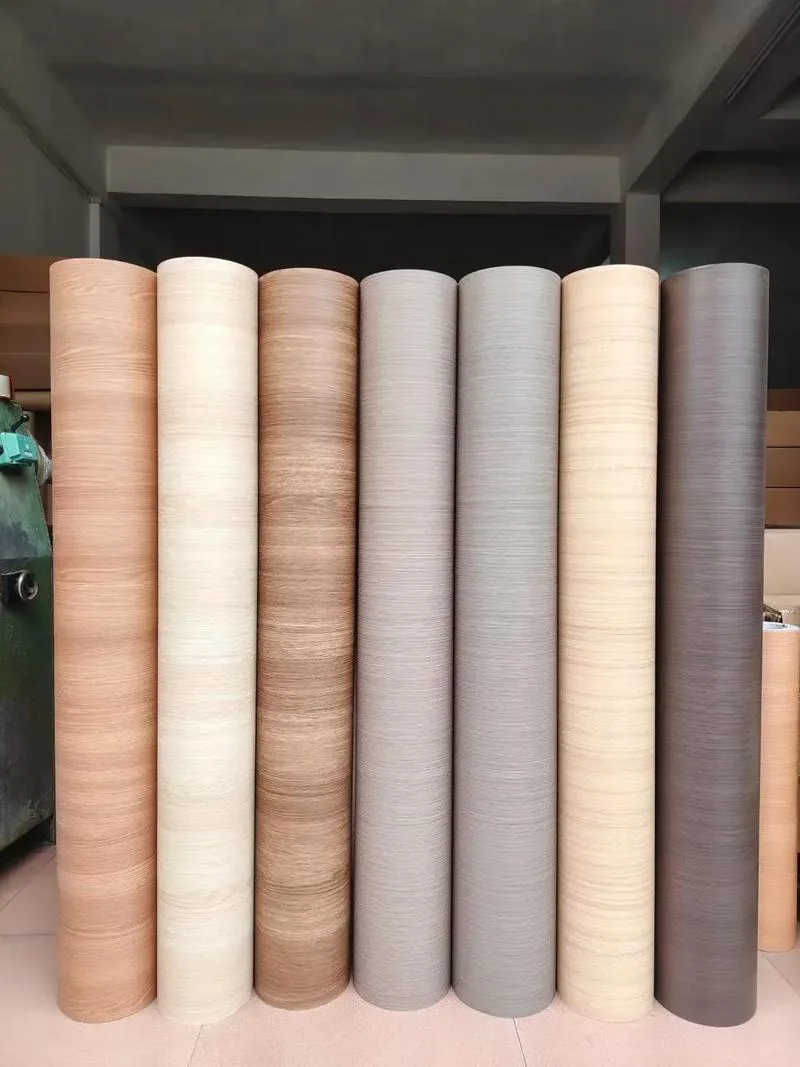
If you import PVC decorative film into the EU, North America or Japan, the ink system used in printing matters as much as the film itself. The wrong ink can mean failed lab tests, customs rejection, or losing a retail contract because your supplier's product doesn't meet formaldehyde or VOC limits. Here's how water-based and solvent-based (oil-based) inks compare — and which one your market demands.
The Core Difference
Solvent-based (oil-based) inks use organic solvents — typically toluene, xylene, MEK, or ethyl acetate — as the carrier that dissolves the pigment and binder. As the ink dries, these solvents evaporate, leaving the colour on the film. Water-based inks replace most organic solvents with water, using a small percentage of co-solvents (usually glycol ethers) to control drying speed and film formation.
The critical difference isn't print quality — both systems can achieve excellent colour reproduction. It's what comes out of the film after printing: residual solvents and VOC emissions.
Regulatory Landscape by Market
| Market | Key Regulation | Ink Requirement |
|---|---|---|
| European Union | REACH, E1 / CARB Phase 2 equivalent | Water-based strongly preferred; solvent inks must pass strict migration limits |
| USA | CARB Phase 2, TSCA Title VI | Formaldehyde ≤0.05ppm; water-based recommended |
| Japan | F★★★★ (JIS A 1460) | Strictest formaldehyde limits globally; water-based only |
| Middle East | SASO, ESMA (varies) | Solvent-based still accepted; shifting toward water-based |
| Southeast Asia | Green Label (Singapore), SIRIM (Malaysia) | Mixed; water-based gaining share for premium projects |
| Africa | Generally less stringent | Solvent-based dominates; budget-driven |
Performance Comparison
It's a misconception that water-based inks are inferior. Modern water-based formulations from suppliers like Siegwerk and Flint Group match solvent systems in:
- Colour gamut: Equal — both achieve wide-gamut CMYK + spot colours
- Adhesion to PVC: Equal with corona-treated film surfaces
- Scratch resistance: Water-based often outperforms solvent inks in Taber abrasion tests
- UV / lightfastness: Comparable when using the same pigment types
Where solvent-based inks still hold an edge: drying speed on high-speed rotogravure presses and wet-on-wet trapping for complex multi-colour designs. However, the gap is narrowing every year as water-based chemistry improves.
Drying & Curing Process Differences
The drying mechanism differs significantly between the two systems:
- Solvent-based: Solvents evaporate rapidly at 80-120°C. Excess solvents must be recovered through condensation or thermal oxidation systems to meet environmental regulations.
- Water-based: Water evaporates first, then co-solvents follow. Drying occurs at slightly lower temperatures (60-100°C), reducing energy costs. The remaining water vapour is far less hazardous than organic solvents.
Quality note: Incomplete drying of solvent-based inks can lead to odour issues and higher residual solvent content. Water-based inks have a wider "safe window" — over-drying simply means slightly higher energy use, not product rejection.
Cost Differences
Water-based inks themselves are marginally more expensive per kilogram. But the total cost picture often favours water-based when you factor in:
- Solvent recovery / incineration: Solvent-based printing requires expensive RTO (regenerative thermal oxidiser) systems to capture VOCs. Water-based eliminates most of this.
- Insurance & safety: Solvent storage areas require explosion-proof electrics, fire suppression, and higher insurance premiums.
- Worker health: Fewer occupational exposure limits to manage with water-based inks.
- Waste disposal: Solvent-contaminated materials require special handling and disposal fees.
Real-world example: A European PVC film manufacturer calculated that switching from solvent-based to water-based inks reduced their total printing costs by 18% over two years, despite a 12% higher ink price per kilogram.
GONGDA's Approach
We use water-based inks as standard across our entire decorative PVC film production. Every batch is tested for:
- Formaldehyde emission (EN 717-1, ≤0.05ppm)
- Heavy metal migration (EN 71-3, all elements below detection limit)
- Total VOC content (ISO 16000-6)
We can also run solvent-based inks on request for markets where compliance requirements are less stringent and budget is the primary driver — but we always disclose which ink system is used and provide the relevant test reports. See our certifications page for the full list.
Common Pitfalls to Avoid
Even experienced importers make these mistakes when specifying PVC film inks:
- Assuming "eco-friendly" means water-based: Some suppliers use misleading terminology. Always request the actual ink specification sheet and test reports.
- Ignoring substrate compatibility: Water-based inks require proper corona treatment on the PVC film for optimal adhesion. If your film supplier doesn't treat the surface, you'll get peeling and flaking.
- Overlooking packaging odour: Solvent-based films can retain odours even after proper ventilation. Request samples with a "stoving" period before final approval.
Future Trends
The industry is moving decisively toward water-based systems. EU regulations on VOC emissions are tightening, and major retailers like IKEA and Walmart now require suppliers to demonstrate water-based ink usage. By 2028, we expect water-based to dominate premium segments across all major markets.
Need compliance documentation for your customs clearance?
We provide REACH, RoHS and formaldehyde test reports with every export shipment.
Request Test Reports