Wood Grain vs Marble PVC Film: How to Choose the Right Surface
Published: August 10, 2026 | By GONGDA Team
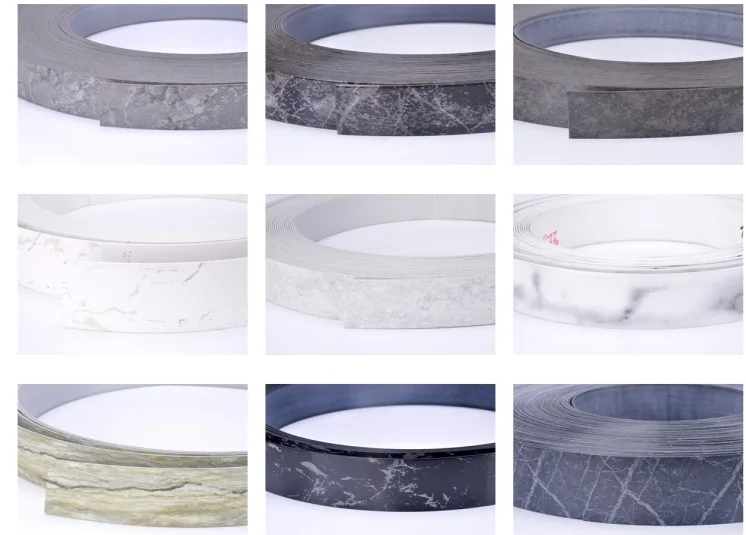
When sourcing decorative PVC films for furniture manufacturing, two finishes dominate global demand: wood grain and marble. Both have their strengths — but picking the wrong one can hurt your product's market fit. This guide compares them across the five factors that matter most to furniture buyers and importers.
1. Appearance & Design Versatility
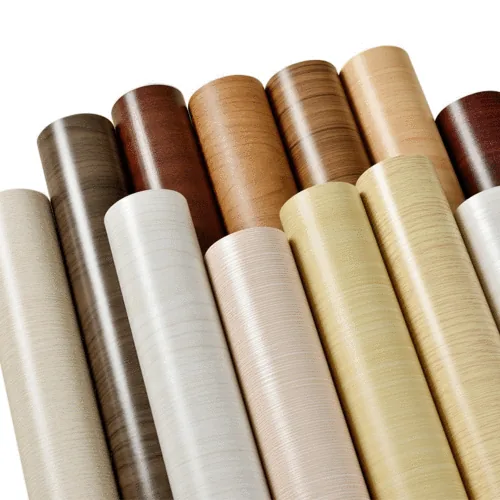
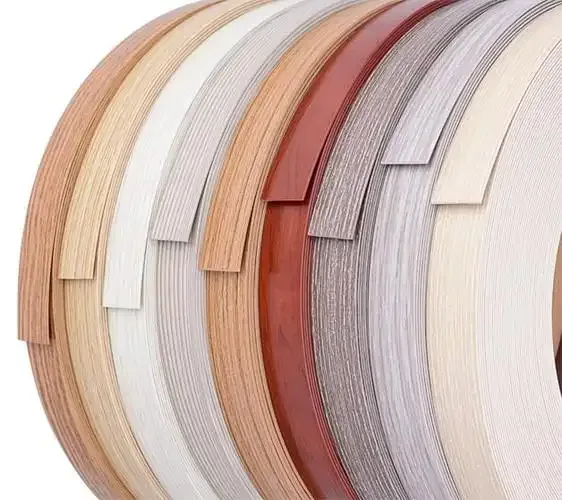
Wood grain PVC film replicates natural timber textures — oak, walnut, teak, ash, and more. Modern embossing technology captures not just the colour but the tactile grain depth, giving panels a convincing solid-wood look at a fraction of the cost. It works across classic, rustic, Scandinavian and transitional design styles.
Marble & stone-effect PVC film delivers the luxury look of natural stone — Carrara white, Calacatta gold, travertine, slate — without the weight or installation cost. These films are especially popular in modern, minimalist and high-gloss kitchen designs across the Middle East, Southeast Asia and Europe.
Winner: Tie. Wood grain suits warm, traditional interiors; marble suits contemporary, luxury projects. Stocking both gives you broader market coverage.
Popular Wood Grain Varieties
- Oak (light/white): Scandinavian and Japanese-inspired interiors; high demand in Europe and North America
- Walnut (dark brown): Premium residential and hospitality; pairs well with brass hardware
- Teak (golden brown): Tropical and coastal markets; excellent UV stability for outdoor furniture
- Ash (pale): Modern minimalist designs; often used in Shaker-style cabinetry
- Cherry (reddish): Traditional American and European furniture; rich patina over time
Marble Effect Styles
- Carrara White: Classic Italian marble look; versatile for both residential and commercial
- Calacatta Gold: Premium veining with golden tones; high-end kitchen countertops
- Travertine: Natural pitted texture; trending in Mediterranean and modern designs
- Slate/Charcoal: Dark, dramatic effect; popular for feature walls and bathroom vanities
- Concrete-look: Industrial aesthetic; increasingly popular in lofts and commercial spaces
2. Cost & Value Perception
Both finishes are produced on the same PVC substrate, so the base material cost is similar. However, wood grain films typically command a 5–15% premium at the wholesale level because of their more complex embossing cylinders and multi-layer printing. Marble patterns are comparatively simpler to register in print.
That said, marble-effect furniture often retails at a higher price point because of its perceived luxury value — especially when paired with high-gloss lamination. The margin opportunity can offset the slightly lower material cost.
3. Durability & Maintenance
Both finishes offer excellent scratch resistance, UV stability and moisture protection when produced to export-grade standards. PVC films from GONGDA use a protective topcoat layer that resists yellowing, staining and daily wear.
Marble films, particularly high-gloss variants, tend to show fingerprints and smudges more visibly than matte wood grain textures. For high-traffic commercial environments — hotel lobbies, retail displays — a matte or semi-matte wood grain may be the more practical choice.
Maintenance Requirements
- Wood grain (matte): Minimal maintenance; regular dusting with microfiber cloth. Avoid abrasive cleaners.
- Wood grain (satin/gloss): Slightly more prone to showing scratches; use felt pads on furniture legs.
- Marble (high-gloss): Requires frequent cleaning to maintain shine; fingerprint-resistant coatings recommended.
- Marble (matte): Easier to maintain; hides fingerprints better but may show water spots.
UV Stability Considerations
For outdoor or sun-exposed applications (patio furniture, conservatories), both finishes require UV-stabilized formulations. Wood grains with darker tones (walnut, mahogany) may fade slightly over time if not properly formulated. Marble effects generally maintain colour stability better under prolonged UV exposure due to the nature of stone pigments.
4. Application Scenarios
| Application | Recommended Finish |
|---|---|
| Kitchen cabinet doors | Both — wood for classic, marble for modern |
| Wardrobe panels | Wood grain (warm bedroom feel) |
| Bathroom vanities | Marble (water-resistant luxury look) |
| Office furniture | Wood grain (professional, warm) |
| Hotel / retail interiors | Marble (premium feel) |
| Wall panels | Both — depends on room style |
5. Regional Market Preferences
Understanding where your buyers are based helps you stock the right mixes:
- Middle East & Gulf: Strong preference for marble and stone effects, particularly high-gloss white and gold-vein patterns.
- Europe: Matte and super-matte wood grains dominate; light oak and walnut are bestsellers.
- Southeast Asia: Mix of both; wood grain for residential, marble for commercial projects.
- Africa: Bold wood grains and darker tones; value-conscious buyers appreciate wood's price-performance ratio.
- North America: Wood grain leads in kitchen & bath, marble gaining in modern apartment builds.
How GONGDA Helps You Decide
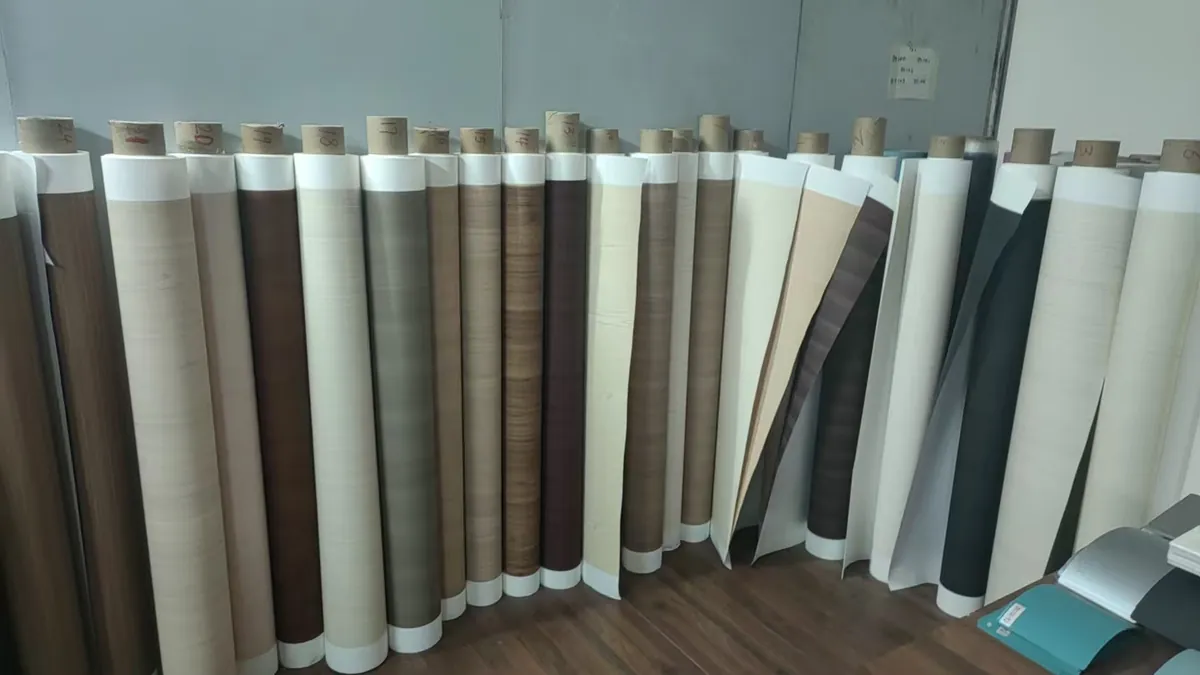
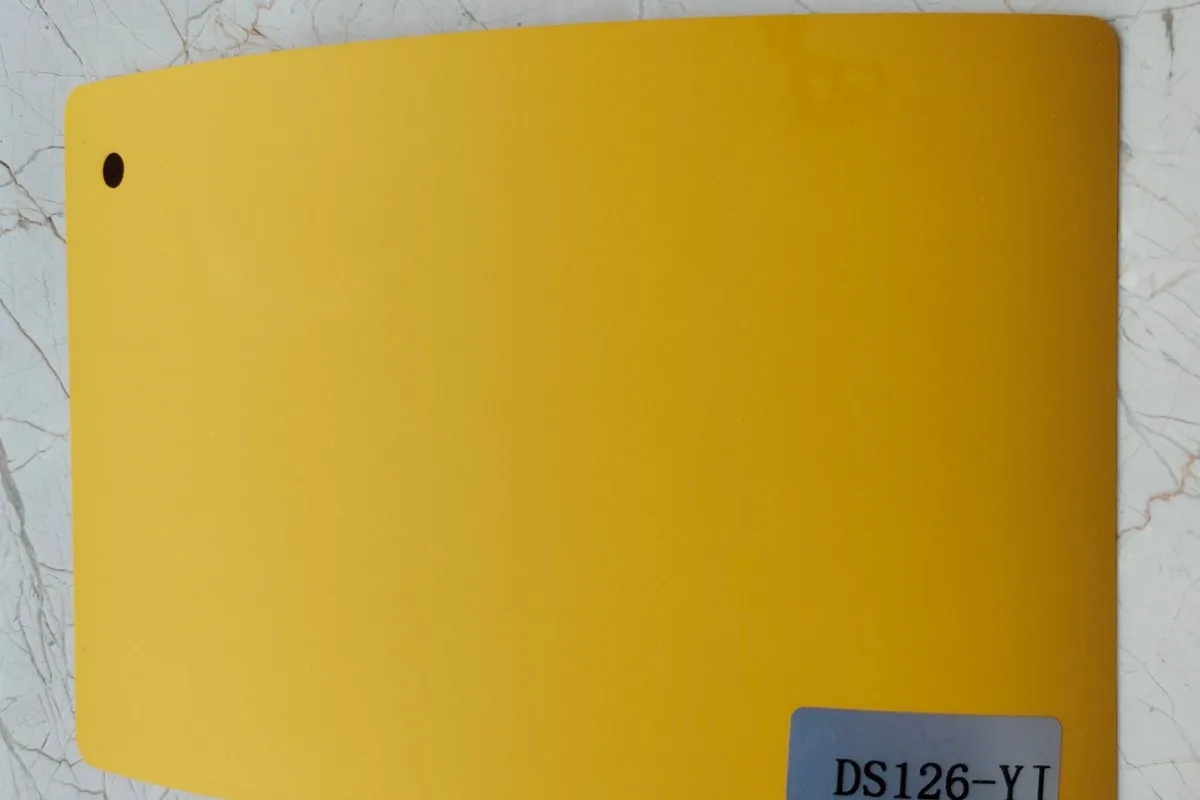
We keep over 800+ wood grain and 200+ marble/stone designs in our catalogue. Every design is available as an A4 swatch sample. Our team can:
- Recommend the best-selling patterns for your target market
- Match any Pantone or physical sample with custom embossing
- Provide free sample books for distributor showrooms
Browse our full range: Wood Grain PVC Film | Marble & Metallic PVC Film
Need samples to compare in person?
We ship free A4 swatches within 48 hours. Tell us which patterns and we'll prepare a custom sample pack.
Request Free Samples