What Actually Drives the Price of Decorative PVC Film
Published: October 11, 2026 | By GONGDA Team
Two quotations for the same design and the same gauge can differ by a third, and the difference is never one line. It is five blocks of cost sitting in different proportions, and understanding them is the difference between negotiating a price and understanding one.
This article breaks a PVC film quotation into the blocks it is actually made of, ranks them by how much they move the number, and separates the levers you can pull from the lines you should never trade away.
One note before we start: we do not publish a list price, because there is no such thing in this category. The same design costs different amounts at 3,000 and 30,000 square metres, in different gauges, at different widths. What follows is the structure, and the structure is what you can actually negotiate on.
The Five Cost Blocks
| Cost block | What sets it | How much it moves the price | Can you influence it? |
|---|---|---|---|
| Base film and resin | Gauge, width and the resin price at the time of production | Largest single line | Partly - gauge and width are yours to specify |
| Printing and ink | Number of colours, register tolerance, water-based versus oil-based ink | Second largest on printed designs | Yes - design complexity is a choice |
| Embossing and registration | Whether the texture is a stock engraved roller or a new one, and whether the emboss is synchronised to the print | Moderate, with a large one-off for a new roller | Yes - a stock texture removes the one-off entirely |
| Run length and setup | Metres in the run against the fixed cost of an ink change and a line setup | Decisive at low volume, negligible at high volume | Yes - this is where the most money is won or lost |
| Packing and roll format | Roll length, core, carton, pallet configuration | Small per metre, significant per shipment | Yes - standardising the format pays back quickly |
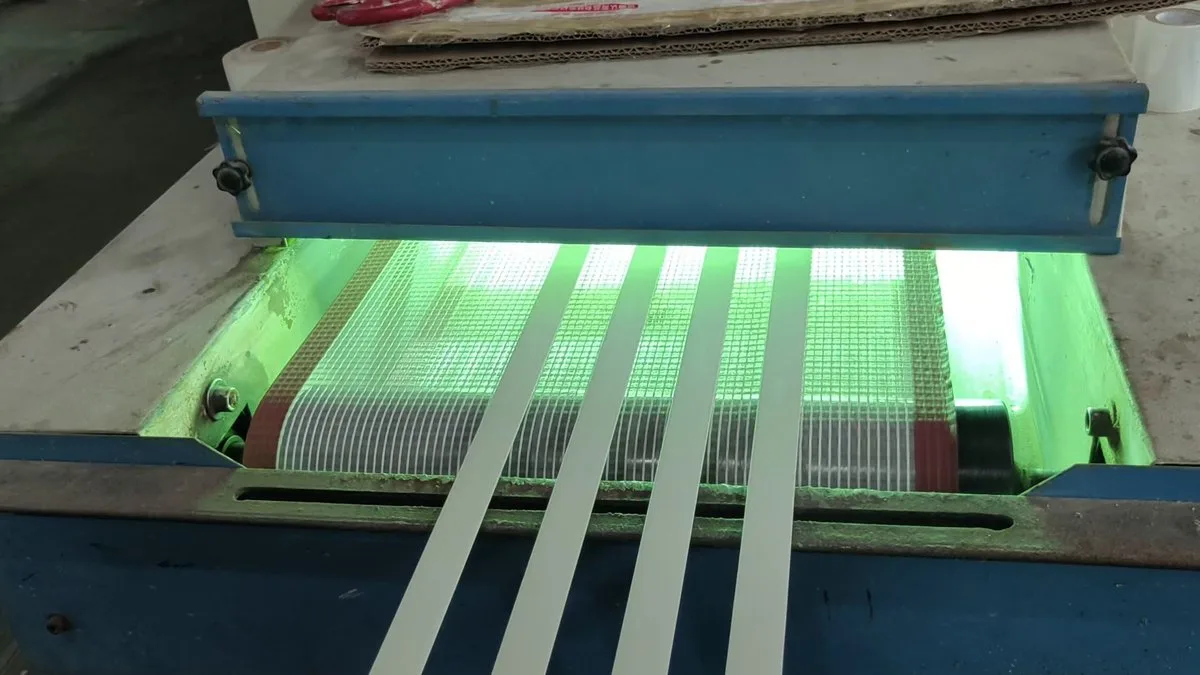
Every extra process step adds both a running cost and a setup cost to the same metre of film.
Resin Is the Price Floor
The base film is the largest block and the least negotiable. It is priced from the resin market at the moment of production, plus the cost of calendering it to your gauge and width. When resin moves, quotations move - including the ones already issued if you have left a long gap between quote and order.
Two consequences follow. First, a quotation has a validity period for a reason, and a very long one is a warning sign rather than a favour. Second, don't assume recycled content is automatically cheaper - post-industrial recycled resin is priced against virgin material, not below it.
The substrate you specify also sets this floor before any commercial discussion begins. Our comparison of PVC, PET and PP decorative film sets out how differently the three sit against each other on cost and process.
Printing and Ink: Where Design Complexity Is Priced
Once a design is printed rather than extruded as a solid colour, the print block becomes the second-largest cost. It scales with the number of colours, the register tolerance the design demands, and the ink system.
- Number of colours and stations. Each additional colour is another station, another ink and another register to hold.
- Register tolerance. A tight multi-colour wood grain costs more to hold than a loose organic stone texture that hides drift.
- Ink system. Water-based ink is the baseline for export markets now; oil-based systems require solvent handling that several markets no longer accept, and the trade-offs sit in drying and achievable gloss rather than in price.
This is where the honest advice is to simplify. A design that runs cleanly in four colours will outperform a six-colour variant in cost, in yield and in batch consistency, and the customer will rarely see the difference on a finished panel.
Embossing and Registration
Texture comes from an engraved roller. If your design uses a texture the factory already holds, you pay the running cost of embossing and nothing else. If it needs a new engraved roller, that is a one-off tooling investment on top - and it is a real number, not a rounding error.
Synchronised embossing, where the texture is registered to the printed grain so that the grain lines and the ridges line up, costs more to set up and more to hold through the run. It is the single biggest visual upgrade available on a wood-look surface, and it is worth it on a premium range. On a mid-range solid colour it is money spent on something nobody will see.
Run Length: The Lever That Matters Most
Every order carries a fixed cost that does not depend on how much you buy: cleaning the line, changing the ink, mounting the roller, setting the register, running the first metres to waste. Spread that over 3,000 square metres and it is a large share of the unit price. Spread it over 30,000 and it nearly disappears.
This is why the minimum order quantity exists, and why it is quoted differently by different suppliers. It is also why consolidating three designs into one production run is usually worth more than arguing about the resin line.
Packing, Roll Format and Freight
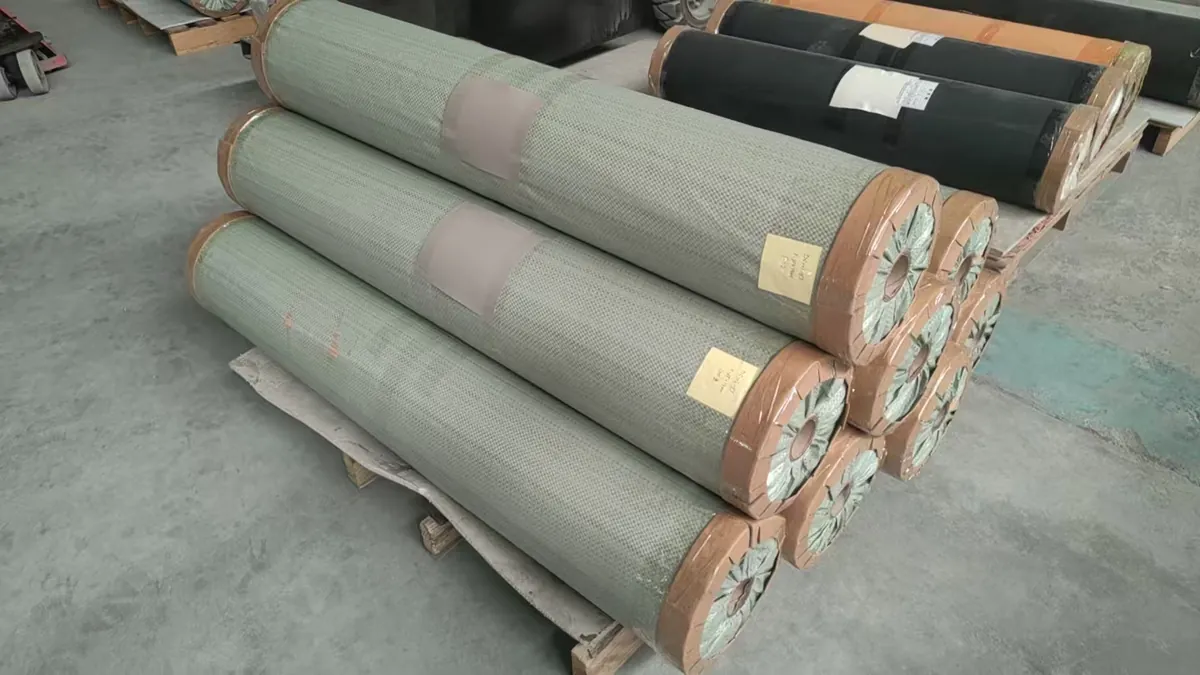
The last block is small per metre and significant per shipment. Roll length decides how many pallet positions an order occupies, roll width decides how much of your line is waste, and carton configuration decides how much loading labour both ends absorb.
Standardising on one roll length across your range is one of the highest-return changes available to a buyer, because it simplifies your own inventory and the supplier's packing at the same time. And note that film is heavy for its volume: an unnecessarily heavy gauge costs you at the port before it costs you anything else.
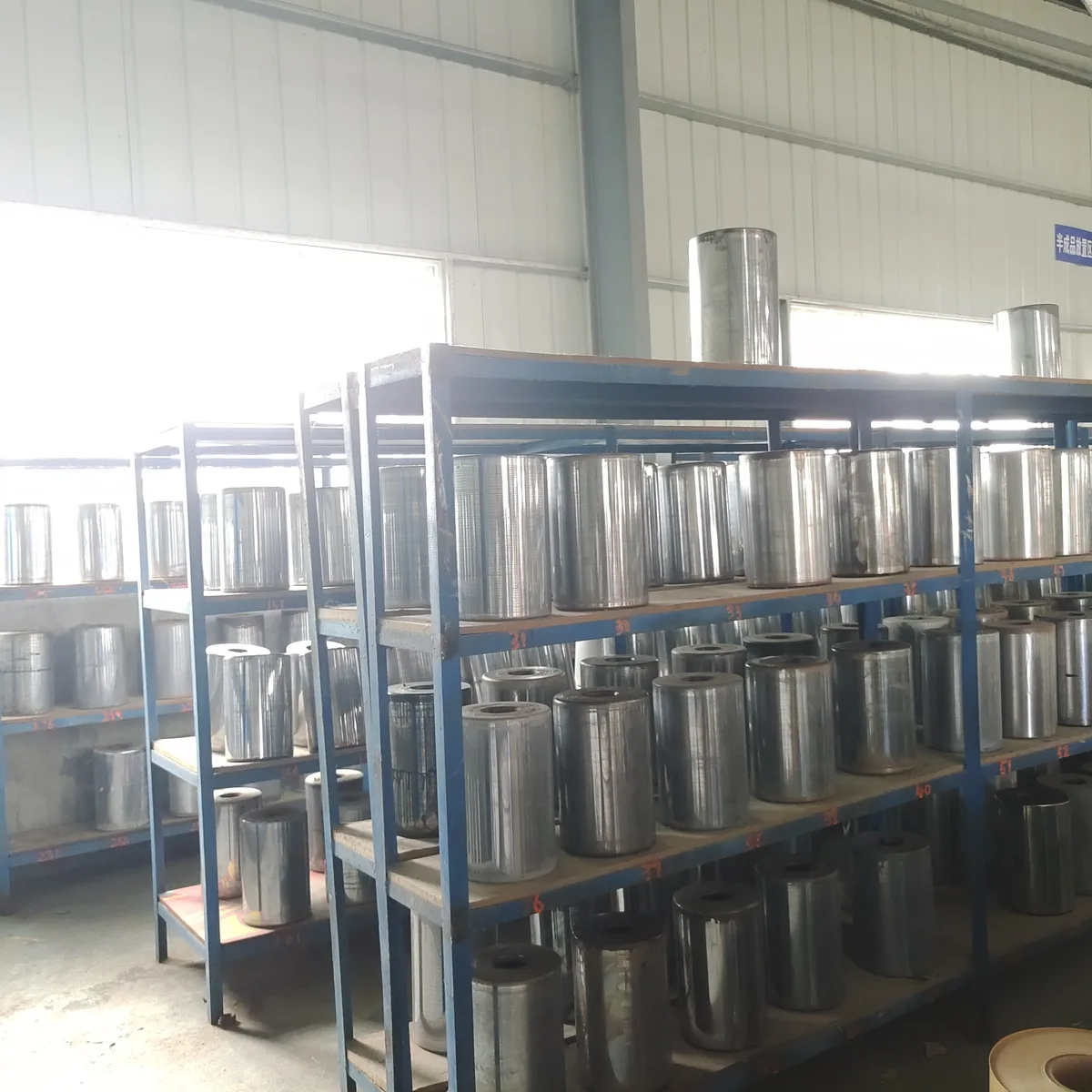
Ink changes are a fixed cost per run, which is why run length moves the unit price more than any single material line.
Levers That Lower Price Without Cheapening the Product
- Consolidate designs into fewer, longer runs. This is the largest single lever and it costs nothing but planning.
- Align to stock textures. Choosing a texture the factory already engraves removes a one-off tooling cost from the first order.
- Simplify the print. Fewer colours, wider register tolerance, no visual loss on the finished panel.
- Standardise gauge, width and roll length. Reduces waste at both ends and makes the price comparable between suppliers.
- Give a forecast, not just an order. A supplier who can plan resin purchasing will quote better than one buying spot.
What Should Never Be Traded for Price
- The third-party test reports. A cheaper price achieved by dropping REACH, RoHS or phthalate testing is not a saving - it is a liability transferred to you.
- The agreed colour tolerance. Written as a Delta E value or an equivalent statement, in the contract.
- The topcoat and abrasion specification. This is where a supplier can quietly reduce cost without changing the specification sheet's headline numbers.
- Pre-shipment inspection on a first order. It is the cheapest quality control in the chain.
A quotation you can take apart is worth more than a quotation that is simply lower. If a supplier cannot explain which block your money is going into, you are not buying a product - you are accepting a number.
Next read: Shipping PVC Film from China: MOQ, Incoterms and Freight Math
Want the price explained, not just quoted?
Send your design, gauge and annual volume. We will break the quotation down line by line and show you where the cost actually sits.
Request a Cost Breakdown