Private Label PVC Film: How Distributors Build Their Own Surface Brand
Published: September 29, 2026 | By GONGDA Team
Reselling unbranded film leaves the margin in the middle of the transaction. A buyer who purchases on specification and hands the product to a customer with no brand of its own is permanently competing on price, because nothing about the offering prevents the customer from finding a cheaper quotation.
Private label changes the structure of the business. It is also routinely overestimated or undercapitalised. This article sets out who it works for, what it actually costs, where it fails, and how to start.
Who Actually Wins With Private Label
Four buyer profiles get measurable returns. A fifth group rarely does.
- Regional distributors serving a national or sub-regional furniture trade, who can justify local stock, local technical support and a local brand name. This is the strongest profile.
- Furniture manufacturers adding a surface range to sell alongside their own cabinetry or wardrobes, converting a component purchase into a product line.
- Renovation and design brands that already own a customer relationship and need a proprietary specification to attach to it.
- Retail and e-commerce brands selling furniture or joinery online, where a named surface range differentiates a listing.
The profile that rarely wins is the reseller with no downstream relationship of their own - one who buys and sells to whoever bids. A private label does not fix a missing customer.
What Private Label Actually Costs
There are four cost lines, and the fourth is quoted least often.
| Cost line | What it includes | Typical shape |
|---|---|---|
| MOQ uplift for branded packaging | Brand-labelled cartons, roll sleeves, hang tags | 20-40% above the unbranded minimum for the same design |
| Catalogue depth commitment | Minimum design count stocked under your own brand | Drives average inventory, not unit cost |
| Colour and pattern development | Custom Pantone matching, custom embossing, exclusive designs | One-off development fee per design, amortised over the first production run |
| Documentation and compliance | Test reports, spec sheets, paperwork carried under your own name | Fixed cost, recurring at product refresh |
Private label is not a discount that a factory grants. It is a reallocation: the material price usually stays similar, and the cost of branding, documentation and exclusivity sits on top. The return comes from the margin structure of the downstream sale, not from the purchase price.

Exclusivity is contracted before production, and it cannot be renegotiated afterwards.
Where Private Label Works Best
It works when
- You have a stable downstream channel that will re-order against your brand name
- Design exclusivity is a genuine differentiator in that channel
- You can carry the inventory yourself, or negotiate stock-holding with the manufacturer
- The category carries a specification rather than just a price - durability, moisture resistance, formaldehyde class
It does not work when
- You are buying one container a year and treating the brand as a logo exercise
- Your customers buy on unit price and compare quotations line by line
- You cannot commit to a catalogue of at least 30 to 50 designs
- You would rather hold no inventory at all
The Margin Math
The comparison is rarely about the purchase price moving. It is about the selling price becoming defensible.
| Metric | Generic resale | Private label brand |
|---|---|---|
| Supplier | Multiple, rotating | One primary manufacturer |
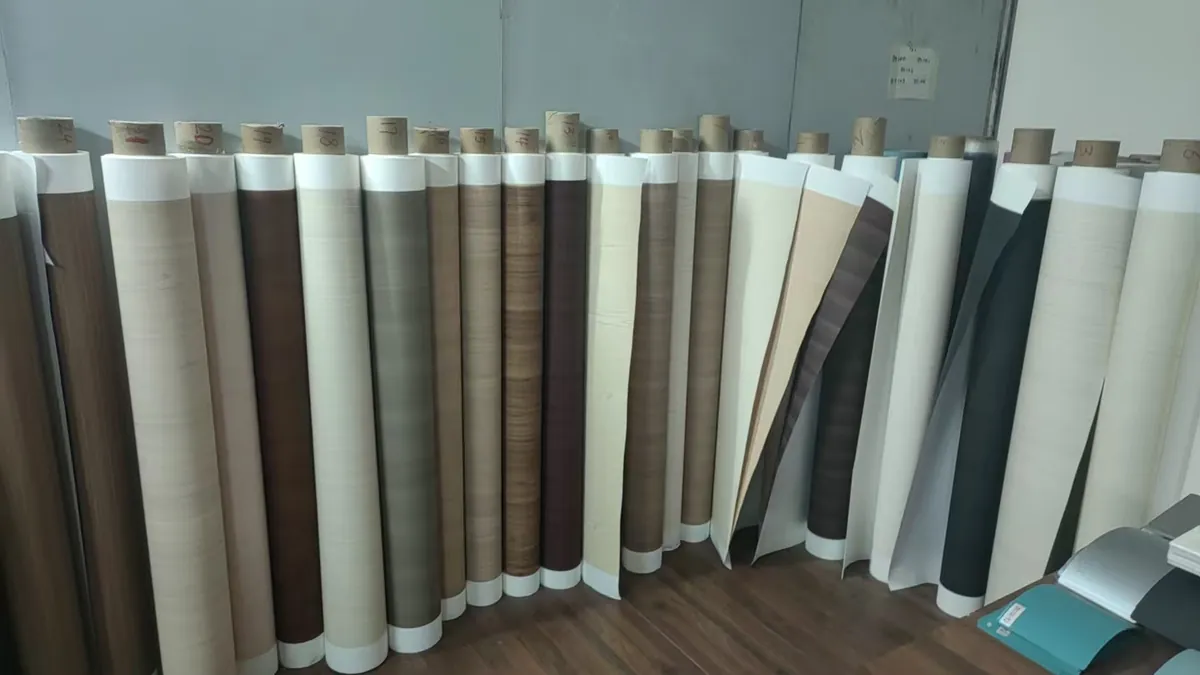
| Catalogue | Whatever is available | 40-80 curated designs |
| Unit cost basis | Market price, indexed quarterly | Agreed list with annual revision |
| Customer-facing margin | 10-18% | 28-45% |
| Competitive position | Price | Specification, design, documentation, support |
| Customer switching cost | None | Meaningful - the brand is the specification |
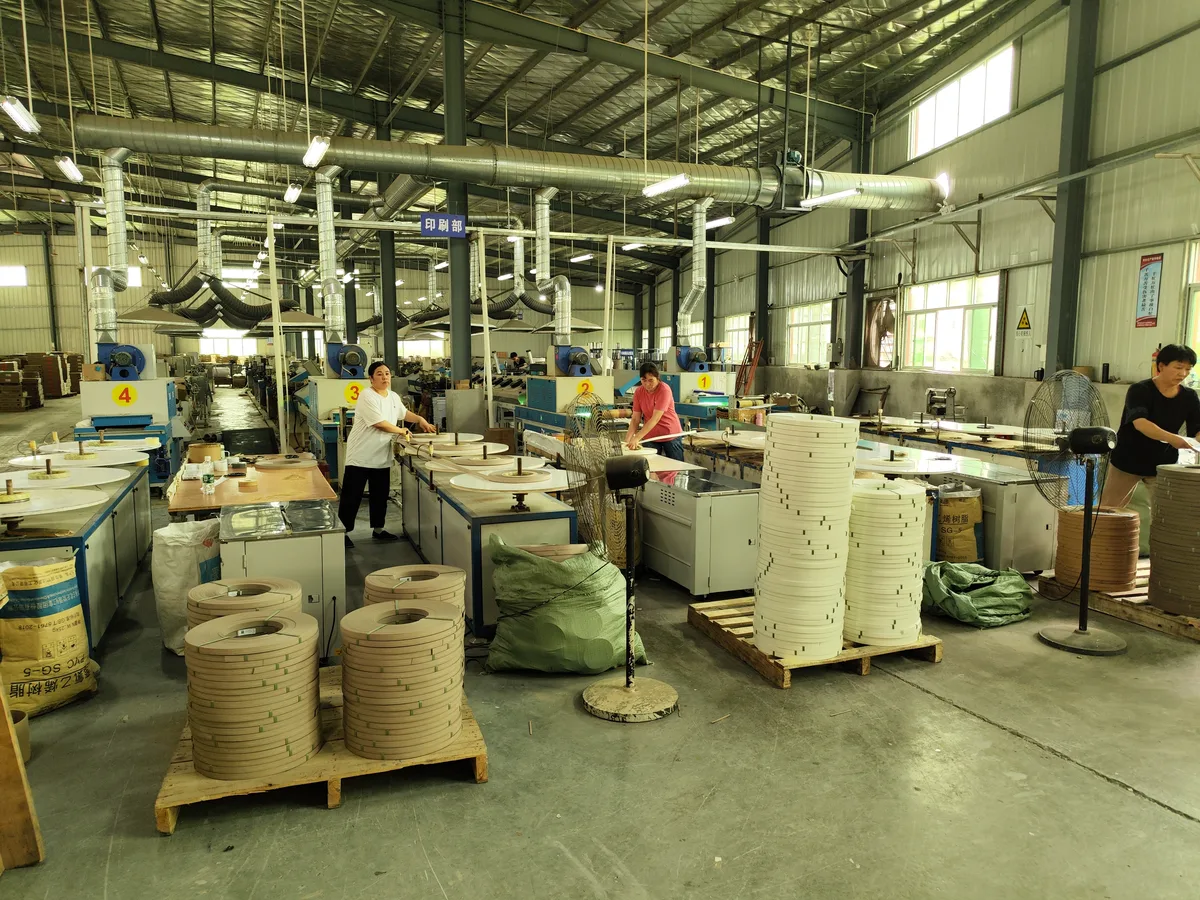
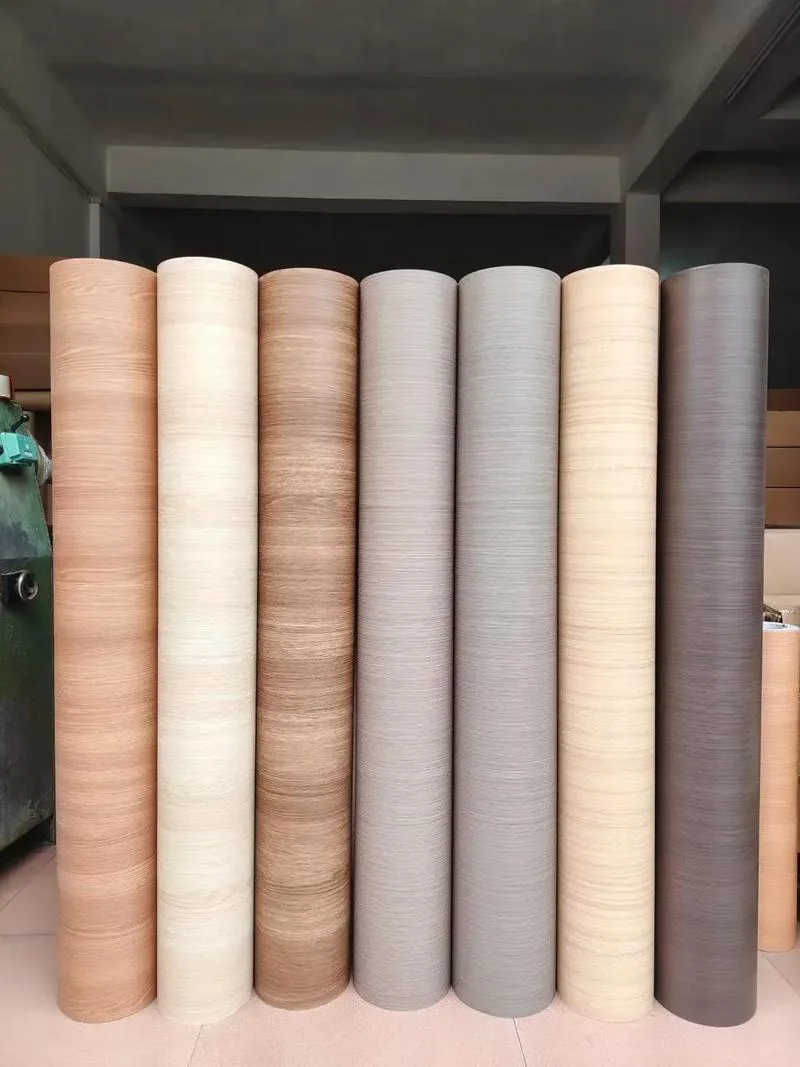
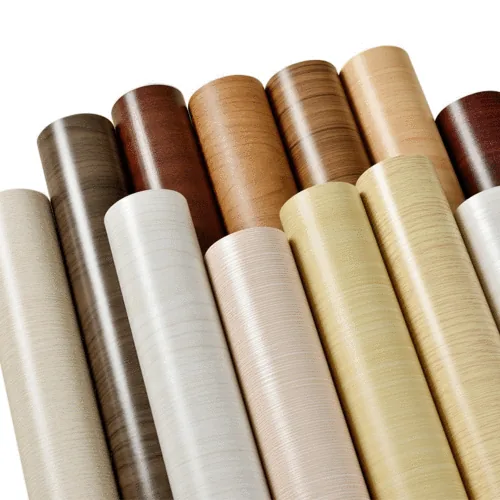
Branded packaging is where the range becomes a product line rather than a purchase order.
Three Positioning Angles That Sell
Three framings work consistently in this category. Pick one and build the evidence around it; do not run all three at once.
- The specialist finish brand. Built around a tactile property - soft touch, anti-fingerprint, matte - where the brand name becomes shorthand for a specification. Requires a strong single design family and consistent technical documentation.
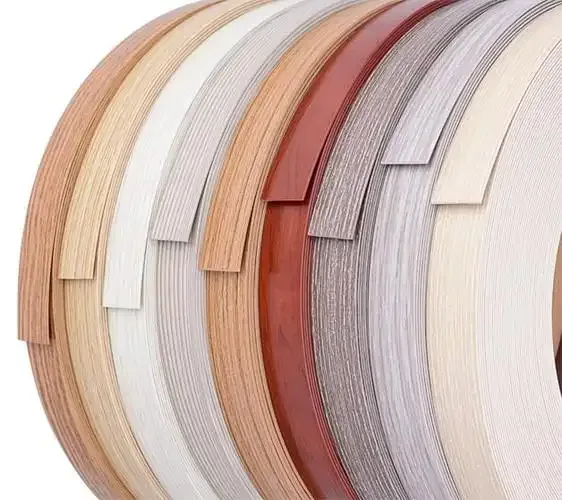
- The matched-system brand. Film and edge banding sold as one specification from one manufacturer, positioned on the strength of the joint rather than the surface. The strongest angle for cabinet and wardrobe channels.
- The compliance-certified brand. Built around documentation depth - formaldehyde class, phthalate-free, water-based ink, recycled content - aimed at specification-led procurement where the paperwork wins the order.
How to Start in Ninety Days
- Days 1-15: Define the range. Two to three design families, 30 to 50 designs in total, each with matched edge banding. Narrower is correct at this stage - you are testing the channel, not building a catalogue.
- Days 15-30: Qualify the manufacturer. Run the vetting checks and the sample trial. Confirm that exclusivity can be contracted. This is the one term that cannot be renegotiated later without losing the brand.
- Days 30-60: Build the documentation. Specification sheets, test reports, and a technical data pack your sales team can send without asking the manufacturer.
- Days 60-90: Place the first production order. Fill one container across the range. Do not split it across three suppliers - a partial range at launch is worse than a complete narrow one.
The first order is not about volume. It is about having a complete, documented, exclusive range that a customer can buy from without a second question.
Next read: Customizing PVC Decorative Film for OEM
Building a range of your own?
Tell us your channel and your region. We will propose a catalogue depth and an exclusivity structure that fits.
Start a Range Brief