Shipping PVC Film from China: MOQ, Incoterms and Freight Math
Published: September 29, 2026 | By GONGDA Team
The price on a quotation is not the price of the order. It is one line in a stack that continues through insurance, duty, freight, port handling, inland transport and any inspection you commission. Two suppliers can quote an identical roll and deliver very different landed costs - and only one of those differences appears on the invoice.
This article works through the arithmetic from a roll on the production line to a pallet in your warehouse, and shows where the leverage actually sits.
Start With Roll Math
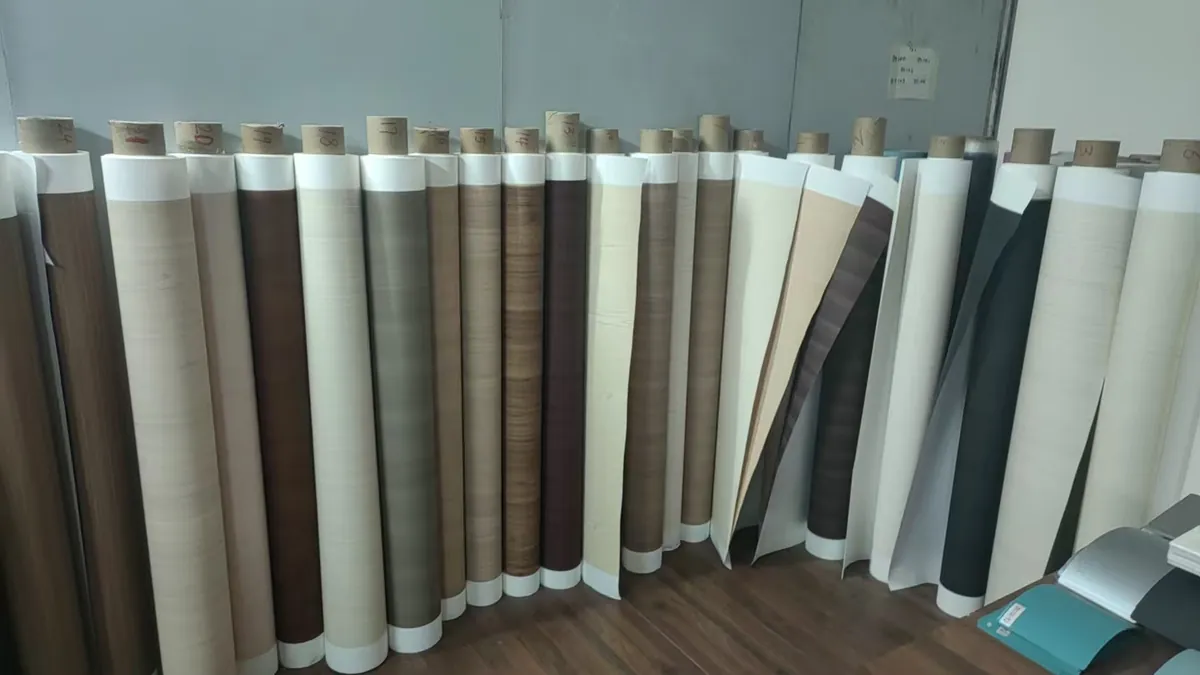
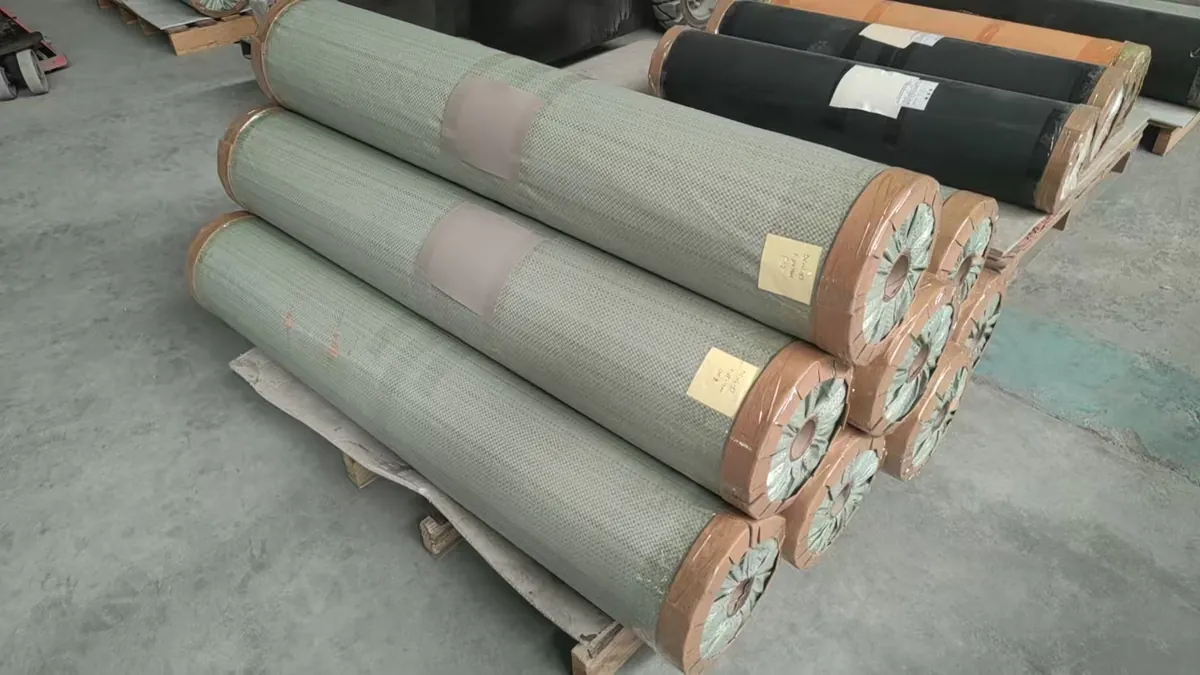
Everything downstream is derived from the roll. A decorative PVC film roll has a width, a length and a film thickness, and those three numbers give you the weight.
| Film specification | Weight per metre of roll | Weight per roll | Rolls per 20ft container |
|---|---|---|---|
| 0.12mm, 1,260mm wide | about 0.15 kg/m | 4-6 kg per 300m roll | 300-400 rolls |
| 0.30mm, 1,260mm wide | about 0.37 kg/m | 11-15 kg per 300m roll | 200-260 rolls |
| 0.55mm, 1,560mm wide | about 1.0 kg/m | 22-30 kg per 200m roll | 90-130 rolls |
Three consequences follow from this table, and most buyers miss all three:
- Volume, not weight, is usually the constraint. A 20-foot container has a payload of roughly 28 tonnes, but a film order rarely fills it by weight. It fills by cube. You are paying for capacity you are not using.
- Thicker film changes the container economics. Doubling the thickness roughly doubles the weight per metre, which halves the roll count in the same cube.
- Roll length is a cost variable. Longer rolls reduce the number of pallet positions and the packing overhead. A 500m roll and a 150m roll of identical material are not identical shipments.
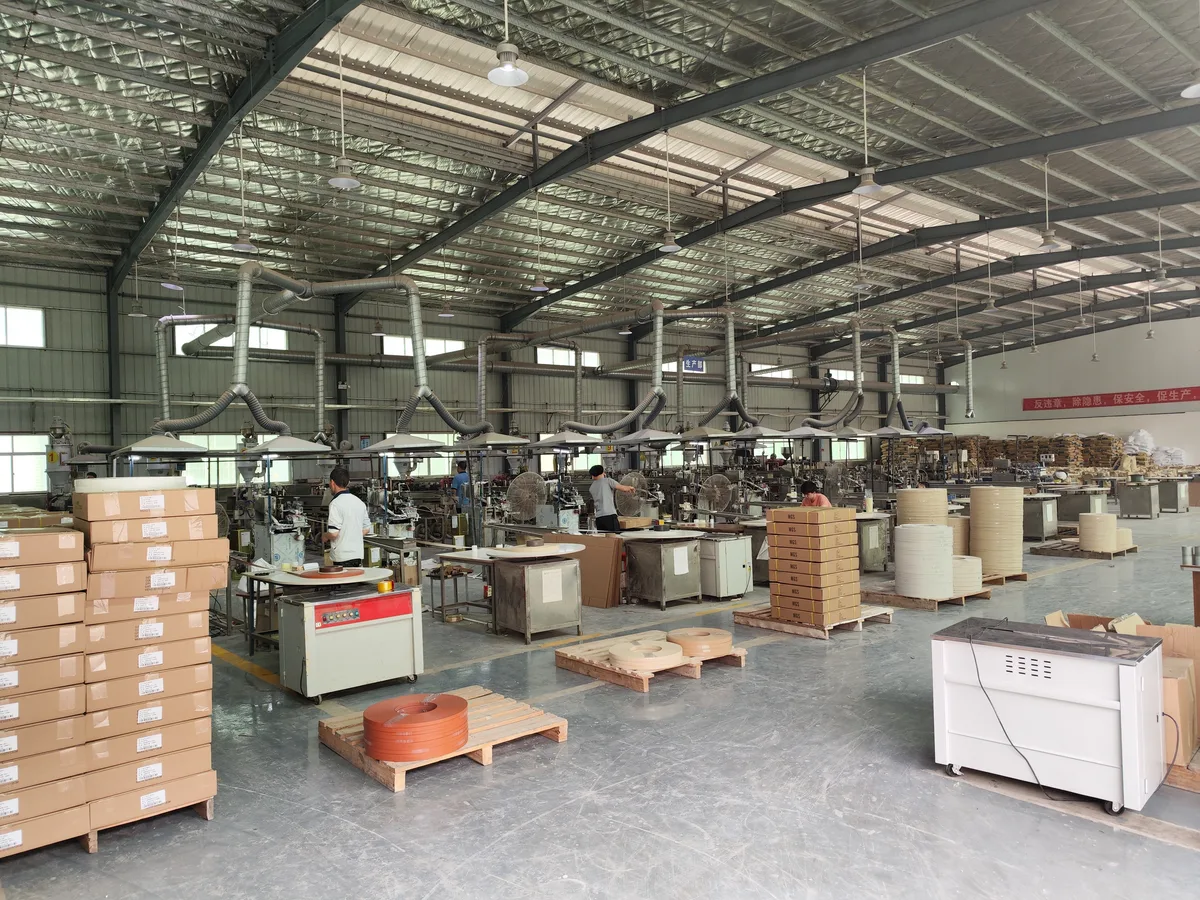
Packing unit defines the order unit, so the carton matters as much as the roll.
MOQ: Three Different Numbers
'What is your minimum order?' has three valid answers, and suppliers tend to give the most flattering one.
- Minimum in square metres - the production run threshold. For a custom colour or pattern this is where the real floor sits, because the cost is in the setup and the ink change rather than the material.
- Minimum in rolls - usually a multiple of what fits one pallet or one container position. This is the logistical floor.
- Minimum in cartons - applies to edge banding and pre-cut products, where the packing unit defines the order unit.
Ask for all three, separately. If a supplier answers with only one number, you are being quoted a floor that may not be yours to rely on.
Incoterms Decoded for Film Buyers
The Incoterm decides which party carries the freight, where risk transfers, and who pays if something goes wrong in between. Five terms matter in practice.
| Term | Supplier's responsibility ends | Risk transfers | Buyer's exposure |
|---|---|---|---|
| EXW (Ex Works) | Factory gate | Factory gate | Everything - freight, export clearance, insurance and delay |
| FOB (Free On Board) | Loaded on vessel at origin port | On board at origin port | Ocean freight, insurance, import clearance |
| CFR (Cost and Freight) | Freight arranged to destination port | On board at origin port | Insurance, import clearance, destination handling |
| CIF (Cost, Insurance, Freight) | Freight and insurance to destination port | On board at origin port | Import clearance, destination handling |
| DDP (Delivered Duty Paid) | Delivered to your address | At your dock | Minimal, but the price carries every risk premia |
Two practical notes:
- Risk and cost transfer are different things. Under FOB and CFR, risk passes at the origin port even though the supplier arranged the freight. If the container is damaged at sea on a CFR booking, the claim is yours to make, not the supplier's.
- DDP is a convenience purchase, not a cheap one. A DDP price bundles insurance, duty, clearance and inland haulage, plus a margin on each. It is the right choice for a first trial order where you have no forwarder; it is usually the wrong choice for a repeat production run.
Duty and HS Classification: The Line People Skip
Decorative PVC film and edge banding are generally classified under HS 3921 for printed or embossed flat plastic products, and under 3920 for unprinted material, with edge banding tape usually treated as a strip under 3920. The distinction matters because duty rates differ by heading and by country.
- Duty varies by destination from a few percent to well above twenty percent on some markets, and it applies to the customs value - which includes freight when the shipment is booked CIF or above.
- Rules of origin can change the applicable rate substantially. If film is designed and manufactured in one country but repacked in another, the origin claim is not automatic.
- Antidumping and countervailing duties on plastics can apply in specific markets and can change with limited warning.
Confirm the classification with a licensed broker before the order, not after the container is loaded. Re-classification on arrival is the most expensive form of paperwork in the trade.
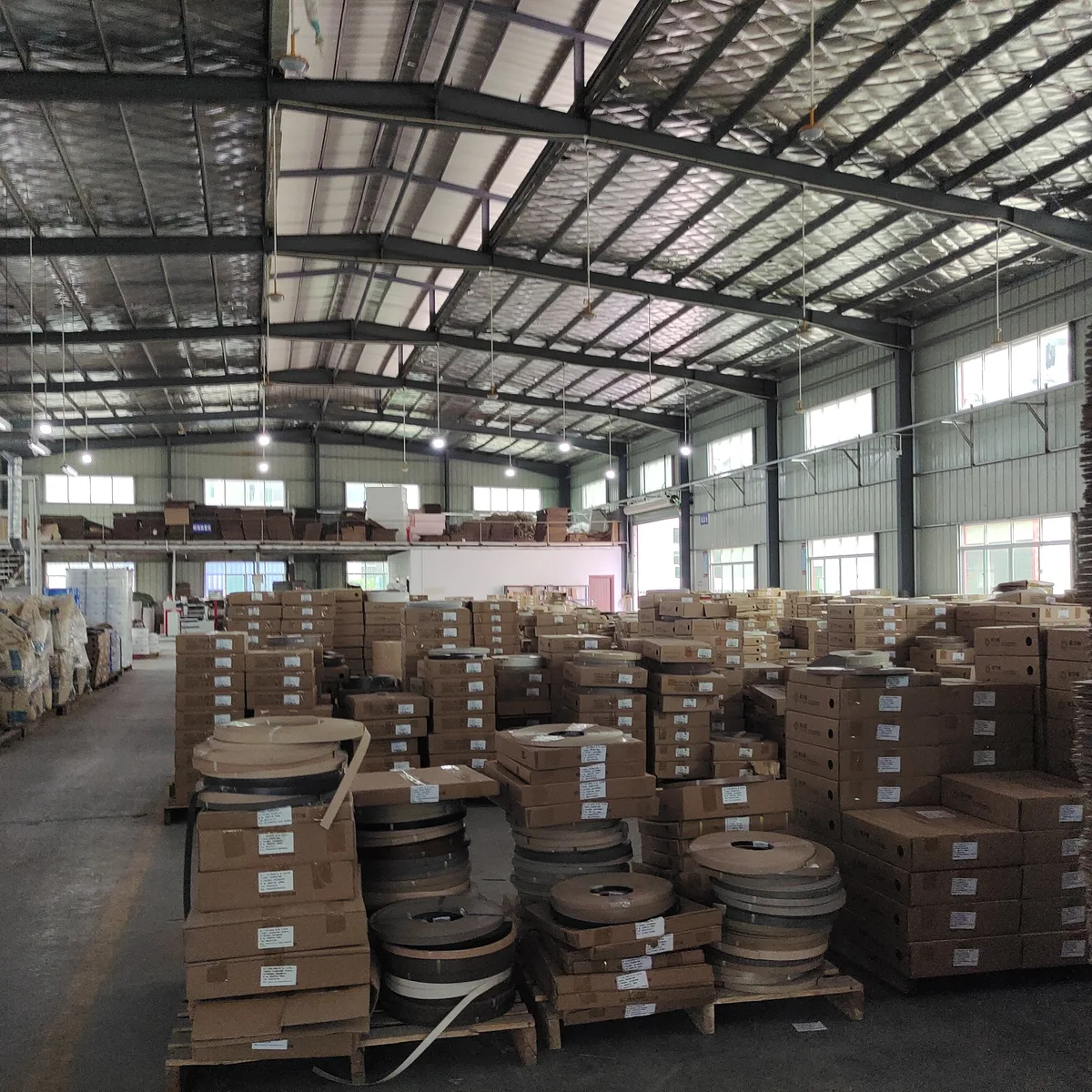
One container holding film and matched edge banding removes an entire classification and clearance cycle.
A Worked Example: Landed Cost per Square Metre
Consider 1,000 square metres of 0.30mm decorative film, 1,260mm wide, shipped FOB and cleared by the buyer. Values below are illustrative of the structure, not a quotation.
| Cost line | Basis | Illustrative cost per m2 |
|---|---|---|
| Film, ex factory | 1,000 m2 | 1.45 |
| FOB ocean freight to destination port | per container share | 0.18 |
| Marine insurance | about 0.3% of invoice | 0.004 |
| Import duty | 3.5% of customs value | 0.06 |
| Port handling and destination clearance | per container share | 0.09 |
| Inland haulage to warehouse | per kilometre | 0.05 |
| Total landed cost | per square metre | about 1.83 |
The material was roughly 79% of the landed cost. The remaining 21% sits entirely outside the supplier's quotation - and it is the 21% on which two different suppliers cannot compete.
Five Ways to Lower Landed Cost Without Cutting Quality
- Combine designs into one container. Filling the cube converts freight from a per-order variable into a per-tonne constant. This is where most of the saving lives.
- Standardise roll length. One roll length across a full order simplifies packing, reduces wasted pallet positions and shortens the loading appointment.
- Match film and edge banding in the same shipment. One container, one classification check, one clearance - and the design library stays consistent.
- Negotiate the Incoterm, not just the price. Moving from CIF to FOB costs you the freight booking but gives you the freedom to use your own forwarder, which is where most importer savings sit.
- Book a pre-shipment inspection. A few hundred dollars at the factory is the cheapest quality control available in the chain, and the only one that happens before risk transfers.
None of this matters if the supplier is the wrong one. The freight stack only rewards an order that arrived fit for purpose.
Next read: How to Vet a PVC Film Supplier: 12 Red Flags Before You Order
Want a real landed cost, not a roll price?
Give us your destination port and quantity. We quote EXW, FOB and DDP side by side.
Request Freight Quote