PVC Decorative Film Market Outlook 2026-2030: Where Demand Is Going
Published: September 29, 2026 | By GONGDA Team
Five years ago, PVC decorative film was a commodity input line on a furniture factory's purchase order - the cheapest roll that matched the swatch. By 2030 it will be one of the few surface materials where the specification document determines the product's retail ceiling. Most buyers sit somewhere in that gap and are still deciding it reactively.
This article sets out what the market looks like on the demand side, why production stays where it is, and which positioning decisions are still cheap to make before 2027.
How Big Is the Market, Really?
Public research places the global decorative PVC film market in the low single-digit billions of dollars, growing at a compound annual rate in the mid-to-high single digits through 2030. The estimates vary because analysts draw the perimeter differently: some scope it to furniture film only, others add automotive interior film and appliance panels, and almost all exclude rigid PVC wall cladding.
The spread is worth understanding rather than smoothing over. A report that includes automotive and appliance film will always read faster than one limited to furniture, because premiumization in emerging-market vehicle interiors is pulling those volumes up. Treat any single growth figure as a framing device, then validate it against your own order book.
What matters more than the aggregate is the shape of the curve. Demand for entry-level solid white film is flattening in developed markets. Almost all net new volume is concentrated in three pockets:
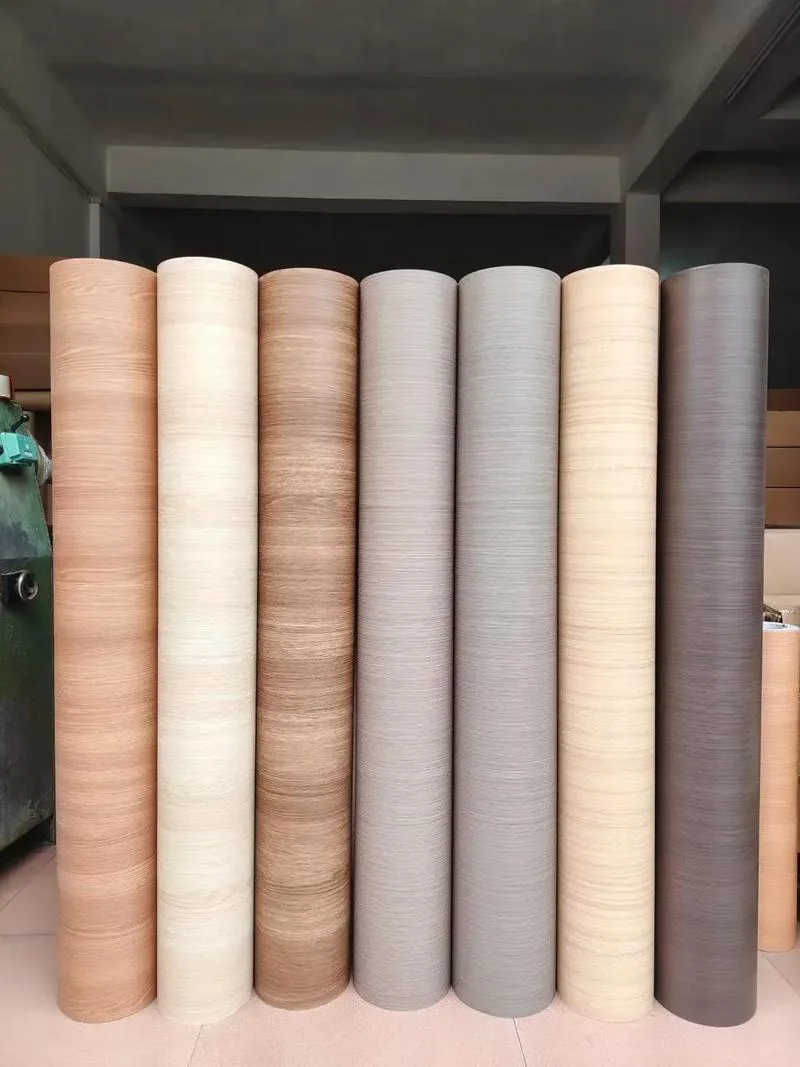
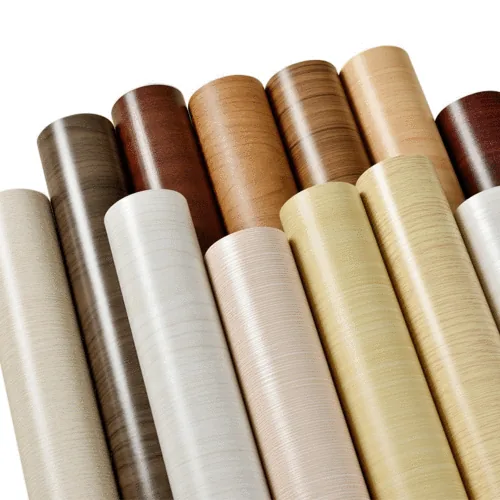
- Wood-look and stone-look designs for premium kitchen and wardrobe lines, where the buyer is replacing veneer rather than upgrading from a plain finish
- Soft touch and textured finishes, which command a material uplift because they change how a surface feels rather than just how it looks
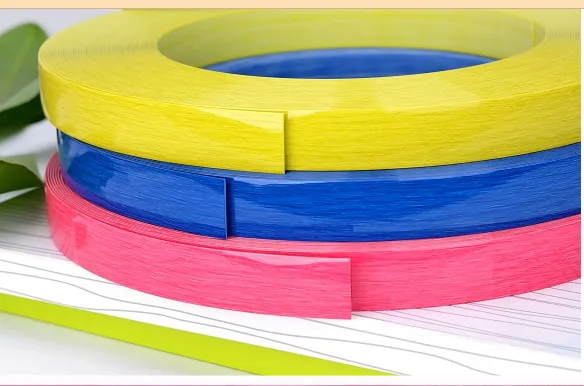
- Matched edge banding from the same design library as the film, which is now a specification line rather than an afterthought
The Demand Is No Longer Evenly Distributed
Two years ago a regional breakdown could be expressed in a single sentence. It can no longer be. The table below summarises what is actually driving orders in each region and what the buyer there is trying to solve.
| Region | Primary growth driver | Dominant application | What buyers optimise for |
|---|---|---|---|
| Europe | Renovation, not new build | Kitchen cabinets, bathroom vanities | Moisture resistance, formaldehyde class, design depth |
| North America | Kitchen remodel cycle | Cabinets, office furniture | Veneer substitution, durability, lead time |
| Middle East | Hospitality and resort fit-out | Wardrobes, wall panelling, hotel joinery | Stone and metallic looks, heat resistance |
| India | Furniture manufacturing capacity | Flat-pack furniture, kitchens | Absolute price, roll width, MOQ flexibility |
| Southeast Asia | Export-oriented panel factories | Wardrobes, office furniture | Batch consistency, documentation |
| Africa | Urban housing and commercial build | Wardrobes, retail fixtures | Price, availability, freight tolerance |
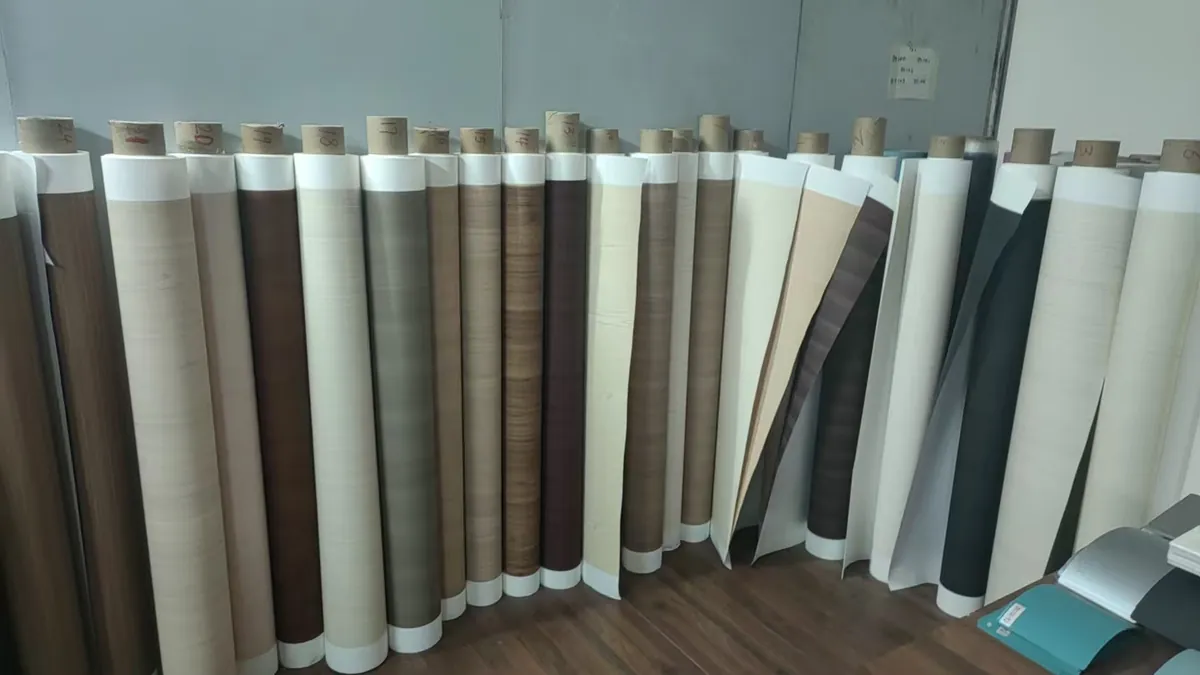
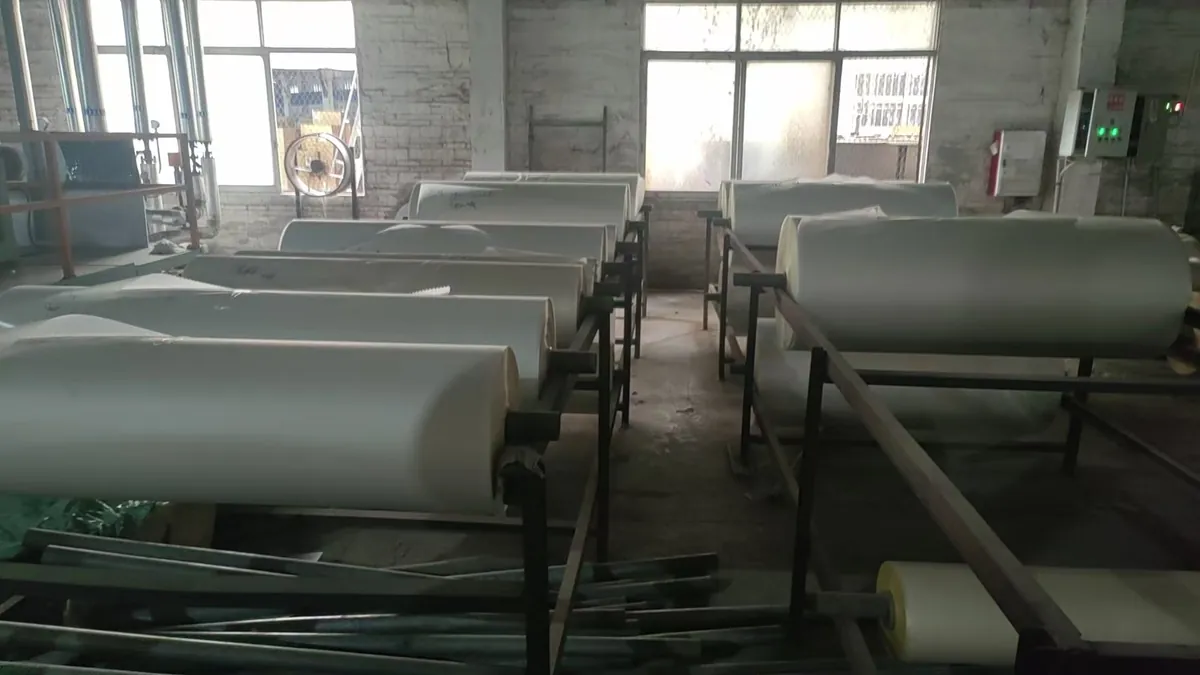
Roll-level inventory is what converts a market forecast into an orderable range.
Three Forces Are Actually Driving Growth
1. Renovation Is Doing the Lifting
The volume story is a replacement story. In Europe and North America, residential new-build rates have been weak for most of the decade, yet cabinet replacement has kept expanding. That mix matters because renovation is where specification power sits with the designer and the retailer rather than the general contractor - and it is where a film design can carry a premium.
2. Film Is Winning the Veneer Comparison
The most significant demand shift of the period is not growth at the margin, it is substitution. Where a furniture line used a real veneer or an HPL laminate, a decorative PVC film with matched edge banding now delivers a comparable visual result at a materially lower landed cost and without the moisture and warp failure modes. The market is not splitting in two; the veneer volume is migrating.
3. Edge Banding Is No Longer an Afterthought
A door is judged at the joint. When the film and the edge banding come from the same design library and the same factory, colour drift disappears and the buyer can specify one supplier for the whole front. That consolidation is quietly raising average order value and shortening qualification cycles - which is exactly why the two product lines are developed together rather than separately.
Why Production Stays Concentrated in East Asia
Capacity remains heavily concentrated in East Asia, and the concentration has structural reasons rather than historical ones:
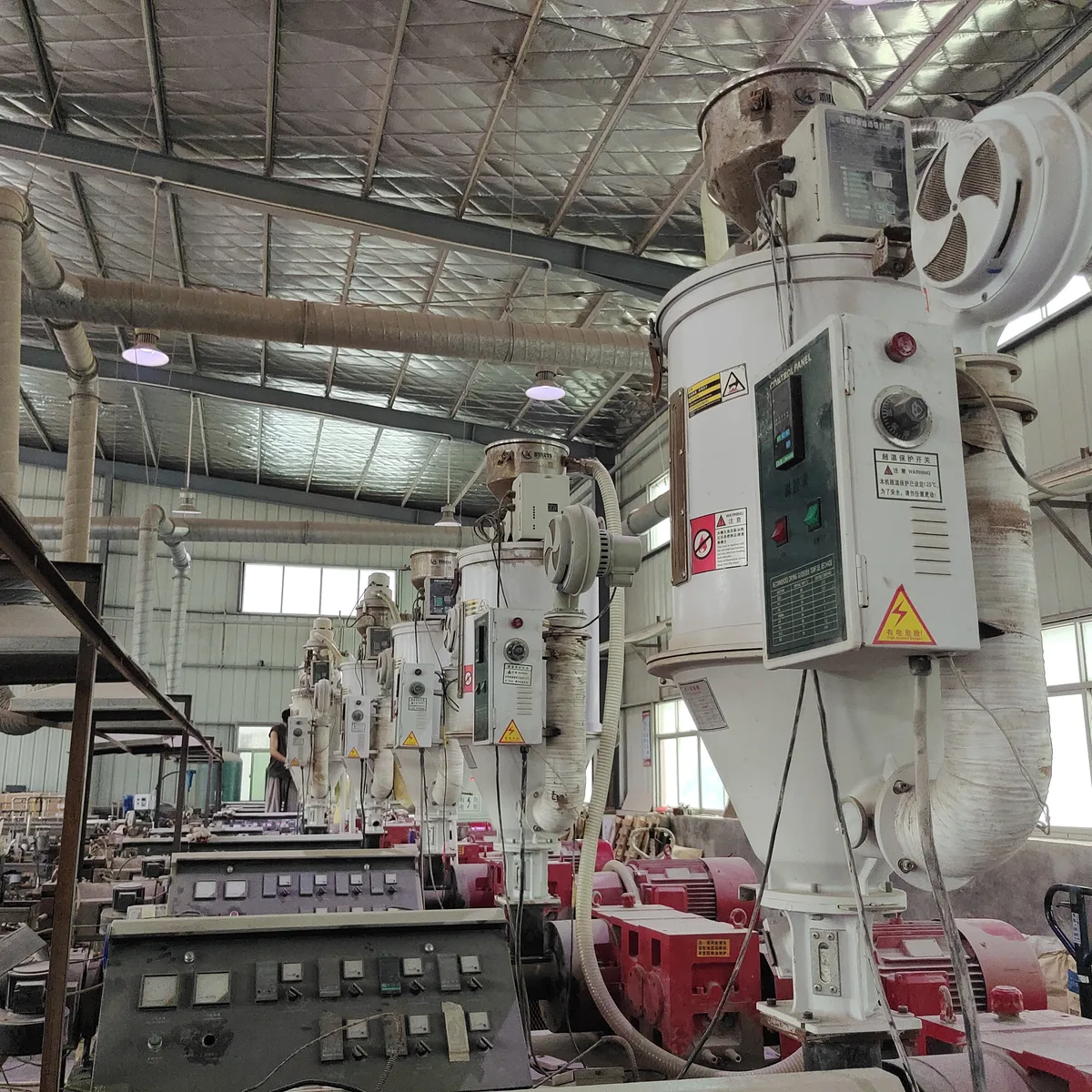
- Upstream proximity - resin, calendered base film, pigment and matting agent sit within short trucking distance of the extrusion lines
- Line density - film calendering and edge banding extrusion share tooling and labour skills, so factories develop both
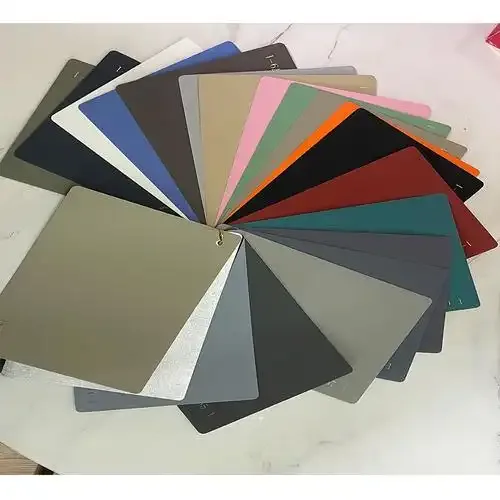
- Design library depth - a factory holding several hundred wood, marble and solid designs can service a global retailer from one catalogue
- Logistics tolerance - rolls are dense and pallet-stable, which makes long-haul container freight economical in a way flat-pack panel exports are not
That concentration cuts both ways. It makes sourcing deep and competitive. It also means the buyer's leverage sits almost entirely on specification, documentation and trial quality - not on geographic alternative.
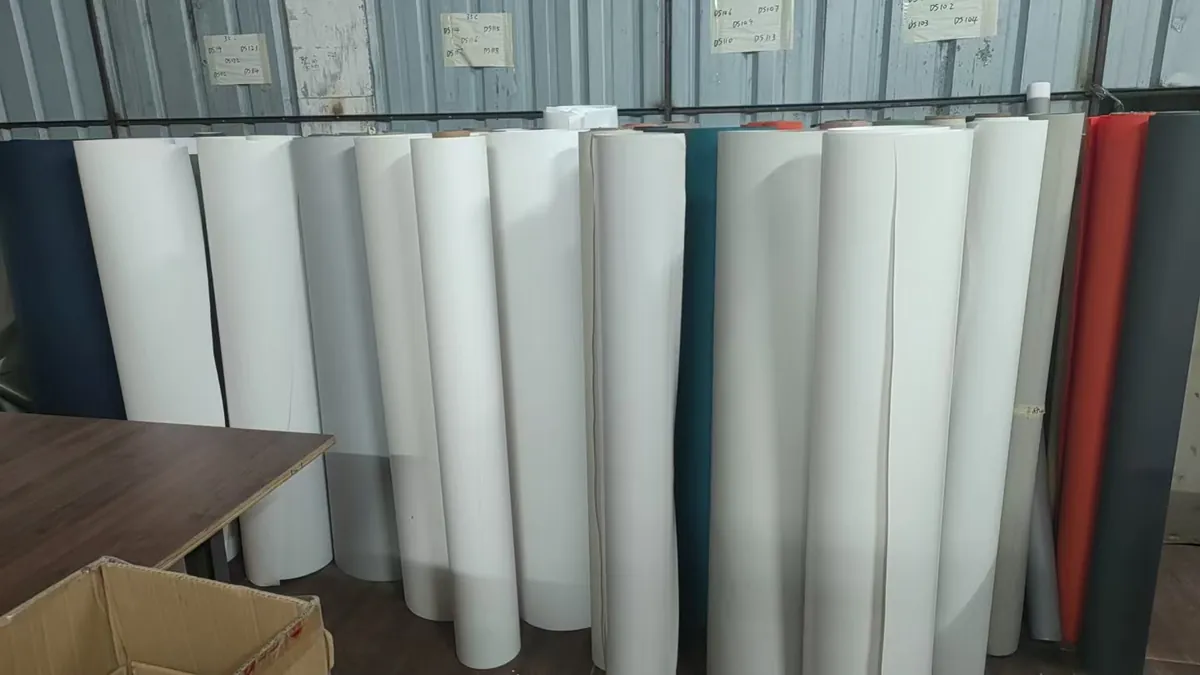
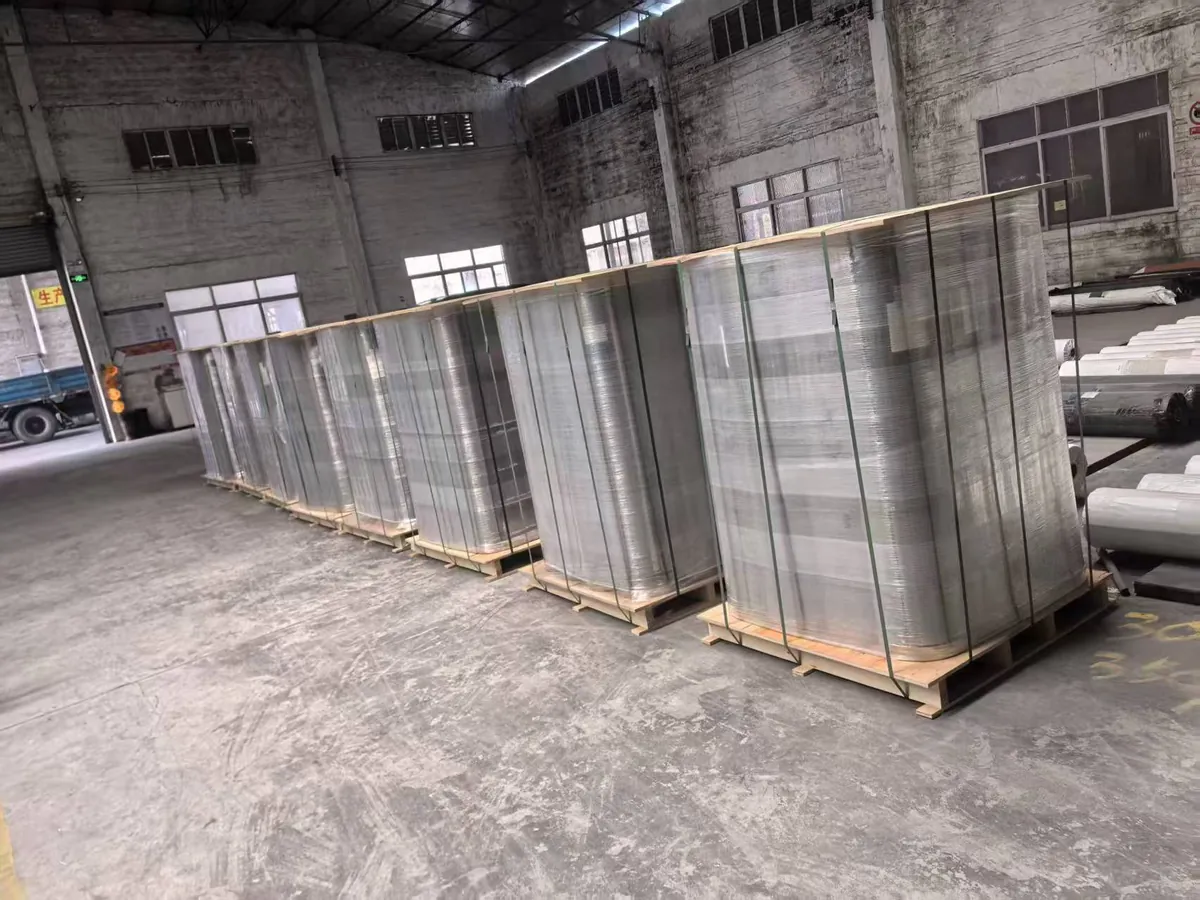
Roll length and packing unit determine the container economics, not just the price per square metre.
What Changes for Buyers Between 2026 and 2030
Four shifts are already visible in the request patterns of furniture brands and distributors, and they compound:
- Compliance cost moves forward. The paperwork - test reports, formaldehyde class, phthalate declarations, recycled content statements - is now requested at quotation rather than at container booking. Budget the certification cost into the first sample, not into the first shipment.
- Design depth beats unit price. Buyers are consolidating from three or four suppliers to one or two, provided the catalogue is deep enough to cover a full product range without cross-referencing.
- Sample programs decide orders. Free A4 swatches and small sample rolls are table stakes. The suppliers who win are the ones who ship a test panel in a week rather than a quotation.
- Digital matching shortens the cycle. Pantone matching and digital swatch approval before physical sampling compresses a negotiation that used to take two months.
How to Position Your Product Line
Three moves carry disproportionate return for a furniture or distribution business reading this in the second half of the decade:
- Anchor on two design families, not ten. One wood-look range and one solid or stone range, both with matched edge banding, covers most of the specification demand and keeps inventory manageable.
- Standardise the specification sheet. A one-page document with thickness, width, roll length, abrasion, heat resistance and the third-party test reports attached turns a film choice into a procurement decision rather than a debate.
- Run the trial before you commit. Press, laminate and cut fifty test panels on your own line. A design that photographs well on a swatch and prints poorly on your equipment is the most expensive failure in the industry.
The next practical step is the one most buyers skip: the supplier vetting itself. A market this concentrated rewards documentation and penalises assumptions.
Next read: How to Vet a PVC Film Supplier: 12 Red Flags Before You Order
Want the numbers for your market?
Tell us where you sell and we will send a regional specification sheet and current lead times.
Request Market Brief